Engaging GC Strategy
Explore the Extensive Services Provided by CGCs in the Construction Field.
CGCs are essential in the construction industry, offering a range of services that handle all phases of a project. Their knowledge extends from initial design and planning to strong project execution and meeting safety rules. Hickory top rated Commercial General Contractor. By managing diverse subcontractors and maintaining high quality, they work to fulfill both budget limits and deadlines. This detailed strategy brings up key points about the impact of their strategies on successful projects and client satisfaction
Defining the Function of General Building Contractors
While the building sector includes a variety of roles, CGCs serve a pivotal function in managing and controlling construction projects. They are tasked with ensuring that projects adhere to design specs, budgets, and deadlines. CGCs coordinate various subcontractors, such as plumbers, carpenters, and electricians, to ensure that all aspects of the construction process proceed efficiently.
Additionally, they are tasked with obtaining required permits and making certain they comply with local local codes and rules. This position demands a strong grasp of construction practices, as well as strong leadership and communication abilities. CGCs serve as the main contact for clients, addressing concerns and sharing status reports throughout the project’s duration. Their skill in overcoming obstacles while preserving quality levels is vital to the successful completion of commercial construction endeavors, thereby enhancing the efficacy and efficiency of the industry as a whole.
Project Management and Coordination

Coordination and project oversight are key factors for the success of construction projects supervised by commercial general contractors. Good communication practices, resource management techniques, and schedule control methods play a pivotal role in ensuring that projects are completed on time and under budget - Hickory top rated Commercial General Contractor. By mastering these elements, contractors can enhance collaboration among stakeholders and optimize project outcomes
Key Communication Practices
Efficient communication methods are critically important in the success of construction projects, as they ensure that all stakeholders are aligned and informed throughout the process. Clear channels of communication foster collaboration among architects, engineers, subcontractors, and clients, making sure everyone grasps project requirements and deadlines. Scheduled check-ins and status updates help identify potential issues early, enabling quick fixes. Leveraging advanced communication technology, for example, PM software and smartphone applications, enhances information sharing and keeps everyone connected. In addition, promoting a habit of transparent communication inspires input and supports openness, which can lead to improved decision-making. Crucially, well-implemented communication plans contribute to smoother project execution and increased stakeholder satisfaction in the construction industry.
Resource Allocation Techniques
Methods for assigning resources are crucial for the successful execution of construction projects, confirming that supplies, staff, and tools are applied efficiently. Successful resource management necessitates assessing project needs and aligning them with available resources, which helps reduce waste and maximize output. Building contractors utilize several approaches, such as prioritizing tasks based on urgency and resource availability, to distribute resources efficiently. In addition, implementing technology to track asset utilization can enhance decision-making and adaptability. Periodic checks on resource usage allow for the detection of potential hold-ups and opportunities for enhancement, enabling quick corrections. By implementing matching information these techniques, construction firms can preserve project velocity, keep expenditures in check, and ultimately achieve project goals within the specified parameters.
Timeline Management Practices
Controlling schedules in building projects demands careful foresight and synchronization to ensure every stage of the project advances seamlessly. Building project managers employ diverse scheduling methods to boost productivity and guarantee prompt project delivery. These practices include developing detailed schedules, employing PM tools, and making periodic progress checks. By defining explicit cutoff dates and goals, builders are able to efficiently track progress and address potential delays promptly. Moreover, they define communication procedures for subs, providers, and clients to facilitate information flow and avoid misunderstandings. Preemptive danger assessment strategies further support schedule compliance, making corrections possible for unforeseen difficulties. In the end, successful schedule control is crucial for achieving project goals and maintaining client satisfaction in the competitive construction industry.
Planning and Architectural Services
Planning and design services form crucial parts of the construction process, centering on productive concept development tactics. These methods guarantee that the project's vision matches the practical implementation, as architectural coordination efforts foster easy cooperation among stakeholders. When prioritizing these aspects, commercial general contractors can enhance project outcomes and efficiency.
Concept Development Strategies
The success of a construction project often frequently depends on its initial vision, effective concept development strategies play an essential role in transforming ideas into actionable plans. These strategies involve a systematic approach including in-depth research, involving stakeholders, and feasibility assessments. By collaborating with clients and stakeholders, commercial general contractors can identify project goals and constraints in the initial stages. Such teamwork encourages innovation while ensuring alignment with regulatory and budgetary requirements. Furthermore, visualizations and prototypes can be employed to refine concepts, allowing for adjustments prior to major investments. Ultimately, well-executed concept development strategies not only simplify the move from vision to reality but also mitigate potential challenges, laying the groundwork for a successful construction project.
Architectural Coordination Processes
Successful architectural coordination efforts are essential for the successful execution of construction projects. These processes involve careful collaboration among architects, engineers, and contractors to make certain that design goals are correctly translated into tangible structures. Commercial general contractors play a pivotal role in streamlining communication and aligning project goals. Contractors manage the incorporation of various design elements, resolving potential conflicts during the initial planning stages. Such a proactive method reduces expensive delays and rework, leading to a smoother workflow. In addition, effective architectural coordination guarantees adherence to local regulations and building codes, enhancing project viability. By simplifying design revisions and optimizing resource allocation, these processes ultimately enhance the overall efficiency and quality of construction outcomes, providing projects that satisfy client expectations and standards.
Budget Management and Financial Control
Budget management and financial oversight are essential elements of successful construction projects, guaranteeing that resources are allocated efficiently and expenditures stay within established limits. General contractors are vital in this aspect by carefully crafting financial plans that cover the complete breadth of the project, accounting for materials, workforce, and potential issues. Their skill set facilitates precise prediction, which is crucial for avoiding cost overruns and securing economic success.
Furthermore, general contractors implement rigorous financial monitoring throughout the project lifecycle. They track spending against the budget, modifying resource distribution when needed to accommodate changes in project scope or unforeseen costs. This active oversight ensures the project remains financially sound but also encourages clear reporting with stakeholders concerning the financial situation. By providing thorough reports and regular updates, general contractors ensure everyone is kept up-to-date, improving reliance and teamwork throughout the construction process.
Compliance with Quality and Safety Regulations
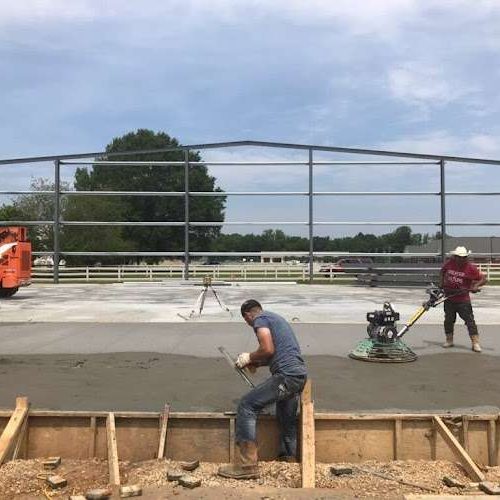
Maintaining high quality and ensuring safety are paramount in the construction industry, guaranteeing projects satisfy required specifications while preserving the health and security of all workers involved. Commercial general contractors implement strict quality assurance protocols by carrying out frequent site reviews, testing materials, and verifying adherence to specifications. This approach aids in detecting issues promptly, reducing costly rework and delays.
Following safety guidelines is also crucial; contractors comply with OSHA standards and industry best practices to foster a safe job site. This includes providing proper training, personal protective equipment, and maintaining clear communication regarding safety protocols.
Post-Construction Services and Support
Once construction is completed, commercial general contractors deliver crucial support after completion to make certain the facility performs as expected. These services often include detailed checks to verify compliance with specifications and local regulations. Warranty issues might also be managed by the contractor, addressing any issues that arise after the project handover.
Furthermore, maintenance support is provided, helping clients with the upkeep of the building to maximize its durability and ensure full operation. Training sessions for staff on equipment and systems may also be included to enhance operational efficiency.
Furthermore, contractors frequently assist with project closeout documentation, ensuring that all relevant information is organized and accessible for later use. This sustained help establishes a lasting relationship between contractors and clients, promoting confidence and contentment while promoting accountability in the construction process. In general, post-completion support are instrumental in the project's future viability.
FAQs
What Types of Projects Do General Contractors Commonly Undertake?
Construction managers usually manage a wide array of jobs, including office buildings, retail spaces, industrial facilities, medical facilities, schools and universities, and housing developments, guaranteeing all projects satisfy professional criteria and client specifications with competence.
What is the Process for Selecting the Ideal General Contractor for This Job?
To choose the right commercial general contractor, it is necessary to review their experience, ask for testimonials, assess their financial stability, review past projects, and guarantee clear communication concerning deadlines and financial plans for efficient oversight.
What Obstacles Encountered in Building Work?

Frequent obstacles faced during construction projects include budget overruns, scheduling delays, insufficient workforce, adherence to rules, unforeseen ground issues, and communication issues between involved parties. These obstacles typically impede project execution and can lead to greater financial outlay and extended schedules.
How Do Builders Guarantee Adherence With Local Building Codes?
Firms maintain conformity with local building codes by carefully studying the rules, conducting regular inspections, collaborating with local authorities, and preserving comprehensive paperwork throughout the construction process to reduce potential hazards and adhere to safety standards.
What Warranties or Guarantees Do Builders Typically Offer Once the Job is Finished?
Firms commonly issue warranties that cover labor and supplies, lasting from one to ten years. These assurances frequently cover repairs for defects, giving owners access to verified quality and security post-project completion.